

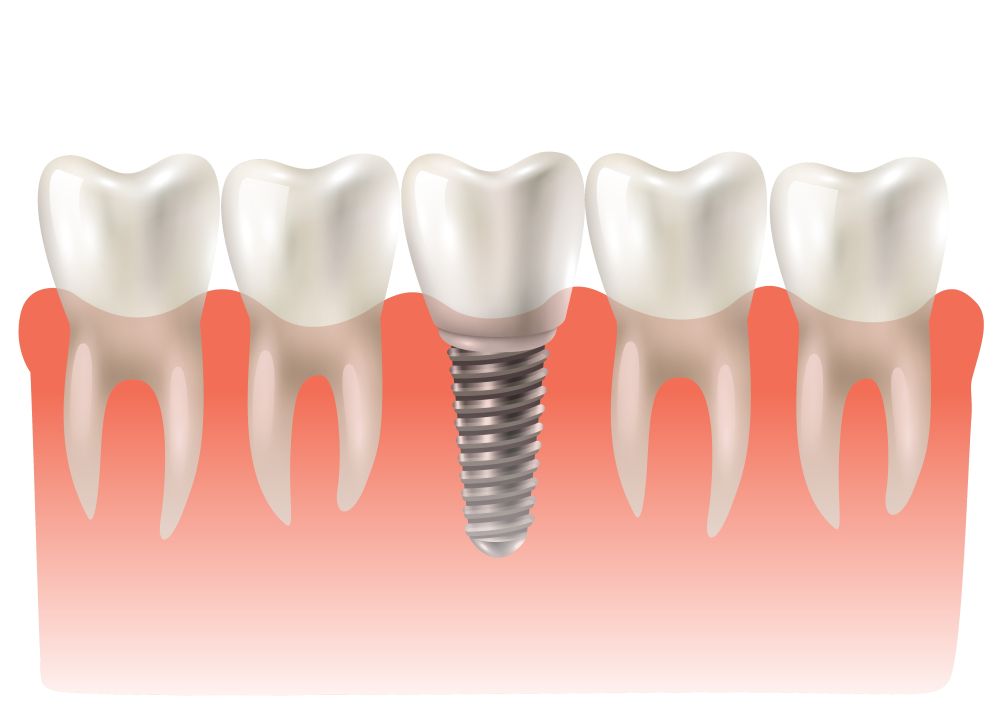
If you are missing several teeth, the right dental implant option depends on where the gaps are, how many teeth are missing, the condition of your remaining teeth, your jawbone health, and your budget. Single or multiple dental implants may suit Melbourne patients who have a few missing teeth or separate gaps. On the other hand, all-on-4 dental implants in Melbourne may be considered when most or all teeth in one arch are missing, loose, or failing.
For patients comparing dental implants in Melbourne, the most important question is not “which treatment is best overall?” It is “which option is right for my mouth, my long-term oral health, and my treatment goals?”
Quick comparison: Single implants vs All-on-4
| Single or multiple implants | All-on-4 implants | |
| Best for | One missing tooth, several gaps, or a small section of missing teeth | Most or all teeth missing in the upper or lower arch |
| Restoration type | Individual crowns or implant-supported bridge | Fixed full-arch bridge |
| Number of implants | Usually one implant per tooth, or selected implants supporting a bridge | Four implants supporting a full arch |
| Local search intent | “Replace 2 missing teeth Melbourne”, “implant bridge vs single implants” | “Full arch dental implants Melbourne”, “All-on-4 vs dentures” |
| Main benefit | Preserves healthy remaining teeth where possible | Replaces a whole arch with a fixed option |
| Main limitation | Cost can increase if many teeth need replacing | More involved treatment; not suitable for every patient |
| Quote needed? | Yes | Yes |
What are single or multiple dental implants?
A single dental implant replaces one missing tooth root with a titanium implant fixture, which later supports an abutment and crown. If you have more than one missing tooth, your dentist may recommend separate implants or an implant-supported bridge.
This option may be useful if you have two missing back teeth, a missing front tooth, or separate gaps on different sides of your mouth. It can also suit patients who still have healthy natural teeth and do not need a full-arch replacement.
At Dental Implant Professionals, an implant fixture is available from $1,500, an implant crown from $1,350, and a full dental implant from $2,850, subject to individual assessment.
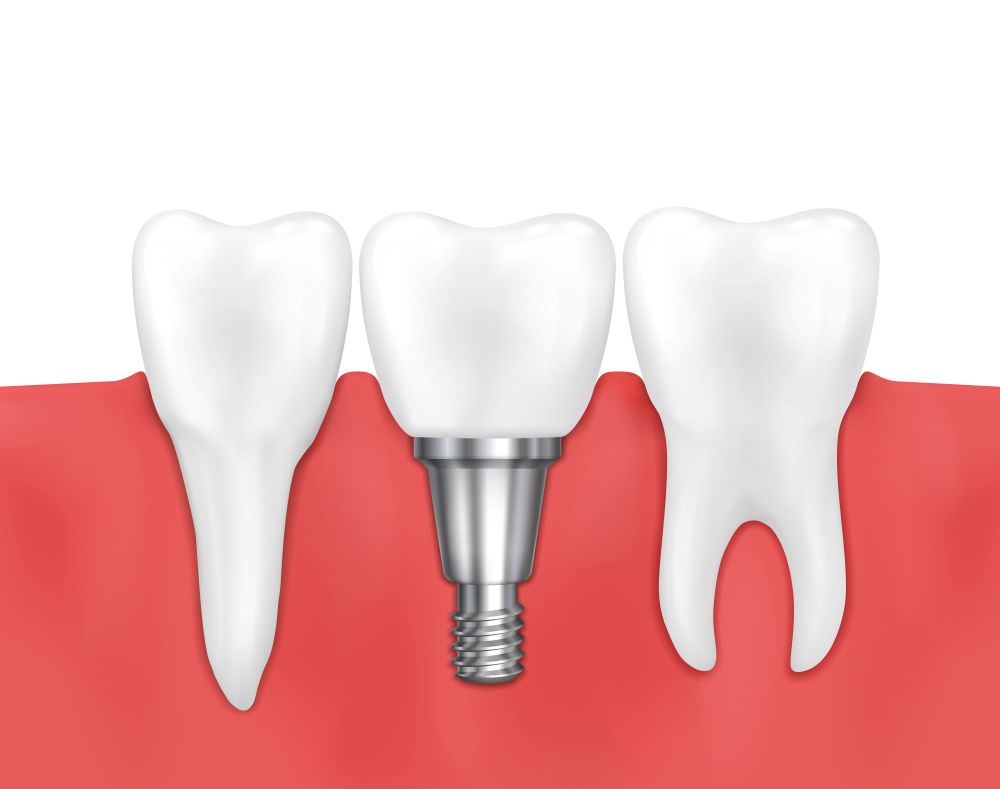
What are All-on-4 implants?
All-on-4 is a full-arch dental implant option. Instead of replacing each tooth with an individual implant, four implants are used to support a fixed bridge that replaces a full upper or lower arch.
This treatment is often considered by patients who are already wearing dentures, have widespread missing teeth, or have several loose, decayed, or failing teeth. It may also be discussed when replacing every missing tooth individually would be too complex or costly.
Some clinics call this “teeth in a day,” but not every patient is suitable for immediate temporary teeth. Your dentist needs to assess your bone levels, bite, medical history, gum health, and remaining teeth before confirming whether All-on-4 implants is appropriate.
When single or multiple implants may be better for you
Single or multiple implants may suit you if your remaining teeth are healthy, your gaps are limited to one or two areas, and you want a targeted solution rather than replacing a whole arch. For example, a patient missing two molars may not need All-on-4 if the rest of the teeth are stable.
Single implants can also be easier to stage. Some patients prefer to replace one area first, then plan future treatment later. However, this should always be discussed with your dentist, because delaying treatment can allow surrounding teeth to move or bone levels to change.
When All-on-4 implants may be better for you
All-on-4 implants may be more practical if most teeth in one arch are missing or cannot be predictably saved. It may also suit patients who want a fixed alternative to removable dentures.
However, All-on-4 is not simply “better” because it sounds more complete. It is a bigger treatment decision. The bridge replaces a full arch, and maintenance is different from cleaning individual teeth. Some patients may also need extractions, temporary teeth, follow-up reviews, or different final bridge materials.
Procedure and recovery differences
- For single or multiple implants, treatment usually involves a consultation, scans, implant placement, healing time, and crown or bridge placement. Some cases are simple, while others require bone grafting or staged treatment.
- For All-on-4, treatment planning is usually more detailed because a full arch is involved. The process may include assessment of failing teeth, extractions, implant placement, temporary teeth in suitable cases, healing, and the final bridge.
Both options require careful aftercare. Patients should follow cleaning instructions, attend review appointments, and report pain, swelling, looseness, or bite changes promptly.
Risks, maintenance, and suitability
All kinds of dental implants are a surgical treatment. Risks can include infection, bleeding, swelling, nerve injury, implant failure, gum problems, prosthetic complications, and the need for further treatment.
Suitability may be affected by smoking, uncontrolled diabetes, gum disease, insufficient bone, certain medications, and oral hygiene. Patients with bone loss may still have options, but they may need additional planning or grafting.
Decision Time: Which option should you ask about?
Choose single or multiple implants if you have a few missing teeth, healthy remaining teeth, and want to replace specific gaps.
Choose All-on-4 if most or all teeth in an arch are missing, loose, uncomfortable, or failing, and you want to discuss a fixed full-arch option.
Ask your dentist:
- Can any of my natural teeth be saved?
- Do I have enough bone for implants?
- Would I need grafting?
- Is an implant bridge possible?
- Is All-on-4 suitable for my bite?
- What is included in the quote?
- What will maintenance involve?
- What are the risks in my case?
View the dental implants photos page to look into the previous work. Results vary between patients, and photos should not be taken as a guarantee of your outcome.
Disclaimer: This blog is general information only. A dental implant consultation is needed before choosing between single implants and All-on-4. Any surgical or invasive procedure carries risks. Before proceeding, consider seeking a second opinion from an appropriately qualified health practitioner.
Frequently Asked Questions
Is All-on-4 better than single implants?
Not always. All-on-4 is generally used for full-arch replacement. Single or multiple implants may be better when only a few teeth are missing, and the remaining teeth are healthy.
Can I replace several missing teeth without All-on-4?
Yes. Depending on the position of the gaps, your dentist may recommend separate implants or an implant-supported bridge. See multiple dental implants for more information.
Is All-on-4 cheaper than replacing every tooth with implants?
It may be more practical for full-arch tooth loss, but the final cost depends on scans, extractions, materials, temporary teeth, final bridge design, and aftercare.
What is the best option for missing back teeth?
If you are missing back teeth only, single implants or an implant-supported bridge may be discussed first. All-on-4 is usually considered when the whole arch needs replacement.
Conclusion
If you are missing multiple teeth, the best next step is a personalised assessment. Single implants may be ideal for targeted gaps, while All-on-4 may suit full-arch tooth loss. Book a consultation with Dental Implant Professionals to compare your options, understand the risks, and receive a clear treatment plan for your mouth.
Author Bio
Dr David Jang is a dentist with a special interest in oral surgery, digital implant dentistry, complex dental implant treatment, and dental bone grafting. At Dental Implant Professionals, Dr Jang is recognised for supporting complex implant cases and helping patients understand their options for single, multiple, and full-arch dental implant treatment.