

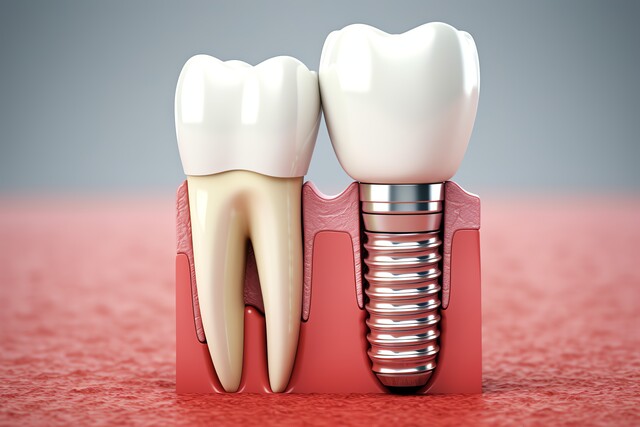
Dental implants are often described as long-term tooth replacements, and that is fair when they are planned well and looked after properly. Still, they are not “set and forget” dental work. The implant fixture sits in the jawbone, while the crown, bridge, screws and other parts deal with daily chewing, cleaning, pressure and wear.
For patients comparing dental implants cost, the first quote is only part of the picture. Long-term care also has a budget. Reviews, cleans, X-rays, replacement screws, repairs and new crowns can all come up over the years.
Why Maintenance Costs Matter
A healthy implant should feel steady, comfortable and easy to clean. Problems often start quietly. A little bleeding around the gum, a loose crown, food trapping under a bridge or tenderness when chewing can point to an issue that needs attention.
Regular maintenance helps your dentist spot early gum inflammation around the implant before it becomes harder to treat. Dental implants cannot get tooth decay, but the gum and bone around them can still become inflamed. That condition may start as peri-implant mucositis. If bone loss develops, it may progress to peri-implantitis, which can threaten the implant.
This is why skipping reviews to save money can backfire. A short appointment may prevent a much larger repair bill.
Routine Reviews and Professional Cleans
Most implant patients need ongoing check-ups, much like people with natural teeth. A stable single implant may only need review during normal six-monthly dental visits. Patients with gum disease history, smoking, diabetes, full arch implants or hard-to-clean areas may need visits every three to four months.
A maintenance visit may include:
- checking the bite
- measuring gum health around the implant
- cleaning plaque and calculus around implant surfaces
- checking for looseness
- taking X-rays when needed
- reviewing home cleaning technique
In Australia, a routine dental check-up and clean often sits around $200 to $350, depending on the clinic, location and what’s included. Implant-specific maintenance can cost more if the appointment takes longer or requires special instruments.
Replacement Parts: What Might Wear Out?
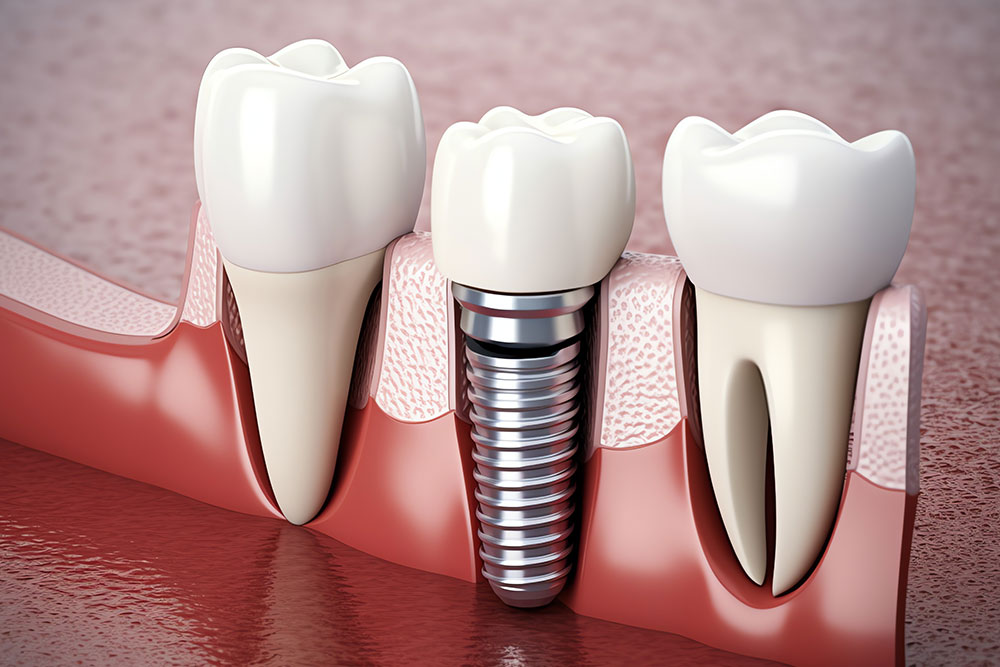
The implant fixture is the part placed in the jawbone. It can last many years, and often decades, when the bone and gum remain healthy. The parts above the gum usually need more attention.
A single implant crown may chip, wear or loosen over time. A tiny screw can also loosen, especially if the bite is heavy or the patient grinds their teeth. An abutment, which connects the crown to the fixture, may need replacement if it cracks, wears or no longer suits a new crown.
Full arch implants have more parts. The bridge may include acrylic, zirconia, titanium bars, screws and access fillings. These restorations work hard every day, so maintenance is normal. Patients should ask how often the bridge needs professional removal and cleaning, if that applies to their design.
Repairs: Small Fix or Bigger Bill?
A loose implant crown is not something to test with your tongue for a few weeks. If the crown moves, the screw or internal parts may be under stress. Early repair might involve tightening or replacing a screw. Waiting too long can damage the crown, abutment or implant connection.
Chipped porcelain can sometimes be polished or repaired. A larger fracture may mean a new crown. For front teeth, colour matching and shape can affect the fee, as the lab work needs to blend with nearby teeth.
Patients researching dental implant cost Melbourne should ask about repair fees before treatment starts. It’s much easier to compare quotes when the aftercare terms are clear.
Melbourne Patients: What to Ask Locally
Costs vary between clinics, even within the same city. For dental implants Melbourne, useful questions include:
- Are post-surgery reviews included?
- How much are long-term implant cleans?
- What happens if a screw loosens?
- Are replacement parts kept locally?
- Which lab makes the crown or bridge?
- Is there a written warranty, and what does it exclude?
A Melbourne dental implant clinic should be able to explain the likely maintenance plan in plain language. If you live or work near the CBD, easy access to follow-up care can also reduce the temptation to delay small repairs.
Home Care Saves Money
Daily cleaning has a direct effect on future costs. Brush twice a day with a soft brush. Clean between the implant and nearby teeth using floss, interdental brushes or a water flosser if your dentist recommends one. Full arch implants may need special brushes or threaded floss to clean underneath the bridge.
A night guard can also help if you clench or grind. The upfront cost may feel annoying, but it can protect crowns, screws and ceramic work from excess force.
For practical appointment planning, the dental implant locations page can help patients choose a clinic they can return to for reviews.
Budgeting for Long-Term Care
Implant maintenance is best treated as part of the overall investment. Put aside money each year for reviews and cleans, then expect larger costs at longer intervals if a crown or prosthetic part needs replacement.
Patients who want to spread treatment costs can also read about dental implant payment plans. Payment options vary, but they can make it easier to plan both the initial treatment and later care.
Final Thoughts
Dental implants can serve patients well for a long time, but they need routine attention. Reviews, cleans and small repairs are normal parts of ownership. The best value usually comes from early checks, steady home care and clear fee discussions before treatment begins.