

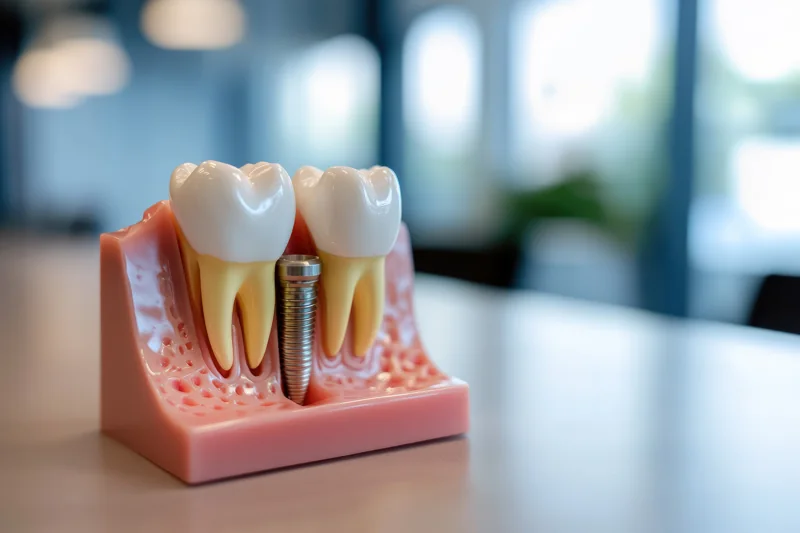
A tooth can come out in the morning and an implant can go in before the numbness wears off. Sometimes. The part most people miss is that ‘same day’ depends less on the calendar and more on the socket left behind.
If the bone is sound, the gum is healthy, and the implant can be held firmly, placing an implant straight after extraction may be an option. If the tooth has active infection, heavy bone loss, a cracked socket wall, or a bite that puts too much force on the area, waiting can be the safer call.
Yes, dental implants after tooth extraction can sometimes be placed straight away. No, it isn’t suitable for every missing tooth.
Same-day placement doesn’t always mean a same-day final tooth
People often hear ‘straight after extraction’ and think the whole job is done in one appointment. Usually, it’s more specific than that.
The damaged tooth is removed first. The dentist checks the socket, then places the titanium implant if the site is stable enough. A healing cap, temporary tooth, or temporary crown may be fitted.
The final crown usually waits until the implant has bonded with the bone. A temporary tooth can protect appearance during that time, but it’s not the same as chewing hard food on the final crown.
This detail matters. Same day dental implants can mean same-day implant placement, same-day temporary teeth, or both. Ask which one your dentist means before you compare treatment plans.
Good candidates usually have clean bone and a steady bite
The best immediate implant cases tend to be clean and stable. A front tooth with a healthy socket may suit immediate placement because the gum shape matters and early treatment can help preserve the natural contour. A back tooth can also work, but molars leave wider sockets and may need grafting or staged treatment.
Good candidates usually have enough jawbone to grip the implant. The implant needs primary stability on the day it’s placed. If it moves too much, the bone may not bond to it properly.
Gum health matters too. Active gum disease can raise the risk of poor healing. Smoking can slow blood flow and affect tissue repair. Uncontrolled diabetes, heavy grinding, some medicines, and recent infection can also change the plan.
A proper exam and scan matter more than the promise of speed.
Infection doesn’t always mean no implant
Here’s the non-obvious part: an infected tooth doesn’t always force a long delay. Some cases can still be treated with extraction, cleaning, grafting, and implant placement in one visit.
The catch is detail. A small, contained infection is different from swelling, pus, fever, a damaged socket wall, or widespread bone loss. The dentist has to clean the site, judge the remaining bone, and decide if the implant can be held securely.
Rushing a weak site can turn a simple plan into a repair job. Waiting may feel slower, but it can produce a cleaner foundation.
Immediate, early or delayed: how dentists choose timing
| Timing | What it means | Best suited to |
| Immediate placement | Implant placed at the extraction appointment | Healthy socket, enough bone, stable bite |
| Early placement | Implant placed after soft tissue starts healing | Mild infection, gum healing needed, uncertain socket |
| Delayed placement | Implant placed after bone and gum healing | Bone loss, grafting, complex infection, weaker site |
The right choice comes down to biology, not preference. A person may want an immediate dental implant, but the socket has the final vote.
The appointment starts before the tooth comes out
The dentist examines the tooth, gum, neighbouring teeth, bite and X-rays or 3D scans before treatment. The scan shows bone volume and nearby structures.
On the day, the tooth is removed as gently as possible. Preserving the socket walls helps the implant plan. If the socket looks suitable, the implant is placed into the jaw. Bone grafting material may be added around small gaps between the implant and the socket.
A temporary tooth may be fitted for appearance, especially at the front of the mouth. You’ll still need to avoid biting hard on it. After healing, the dentist takes records for the final crown, which is shaped to match the bite and neighbouring teeth.
Waiting can be the better treatment
Patients often see waiting as a setback. Dentists often see it as risk control.
If the bone is thin, a graft may need time to mature. If the gum has pulled back, the site may need shaping. If a molar socket is too wide, placing an implant immediately can leave too much space around it. If the bite is heavy, a temporary tooth may overload the implant before it’s ready.
A delayed implant can still give an excellent result. More appointments can be annoying. A gap or temporary denture can feel clumsy. Still, the goal isn’t to win the calendar. It’s to place a tooth replacement that can last.
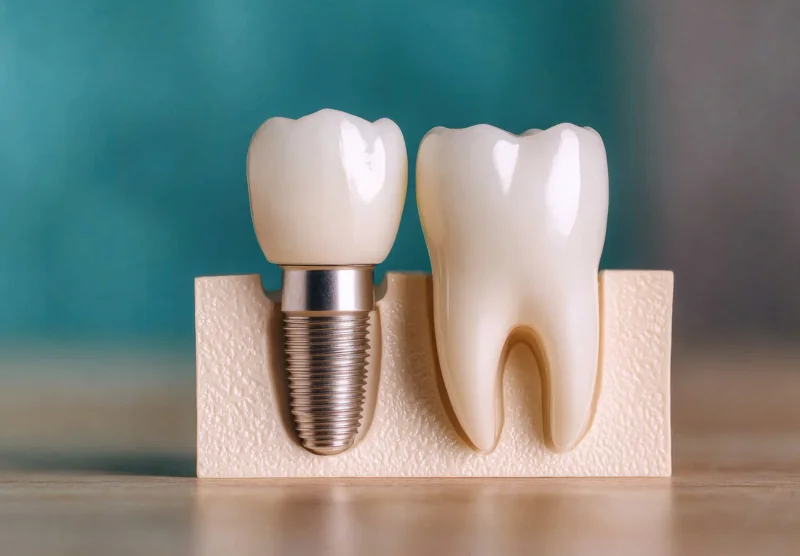
Cost depends on what happens around the implant
A simple extraction and immediate placement may cost less than a staged case with grafting, temporary teeth and extra visits. The implant itself is only one part of the total.
The main cost drivers are extraction difficulty, bone grafting, scans, temporary tooth options, surgical time, crown material and sedation. Don’t just compare the headline implant fee. Check what is included.
This is where a clear tooth implant cost discussion helps. A low figure may only cover the fixture. A fuller quote should explain the implant, abutment, crown, grafting if needed, review visits and possible extras.
FAQ
Can I leave the clinic with a tooth on the same day?
Sometimes, yes. Many patients can receive a temporary tooth for appearance. It may not be designed for full chewing pressure, so follow the food and bite instructions closely.
Is immediate implant placement more painful?
Not usually. The extraction is often the main source of soreness. You can expect swelling, tenderness and a few days of careful eating. Pain that worsens after a few days, bad taste, fever or swelling should be checked quickly.
What if I’ve already had the tooth removed?
You may still be suitable for an implant. The dentist will assess the healed area and check bone volume. Some people can move straight to implant planning, while others need grafting first.
What to do next
If you’re facing an extraction, ask about implant timing before the tooth comes out. The best planning happens while the tooth, socket and gum shape can still be assessed together.
At Dental Implant Professionals, we can assess if immediate placement is realistic or if staged treatment gives you a safer result. Read more about our immediate implant service, check the dental implant procedure, or review our dental implant cost guide.