

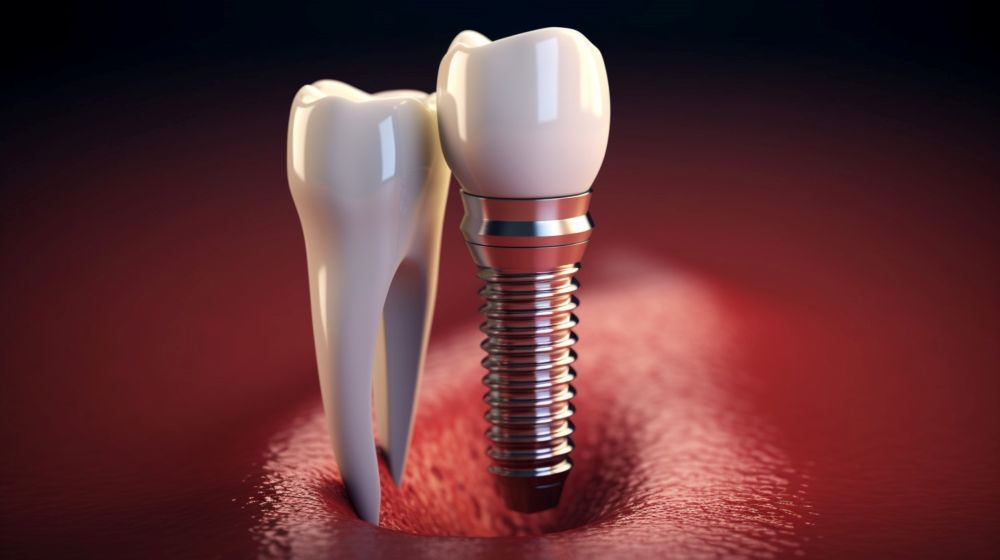
Dental implants can be a reliable way to replace missing teeth, but if you take blood thinners, your appointment needs extra planning. Blood thinning medicines reduce the chance of clots, strokes, heart attacks and other serious problems. They can also make bleeding last longer after oral surgery.
That doesn’t mean you can’t have implants. Many people taking anticoagulants or antiplatelet medicines still have successful implant treatment. The safer path starts with a clear medical history and an honest chat before surgery.
Why Blood Thinners Matter During Implant Surgery
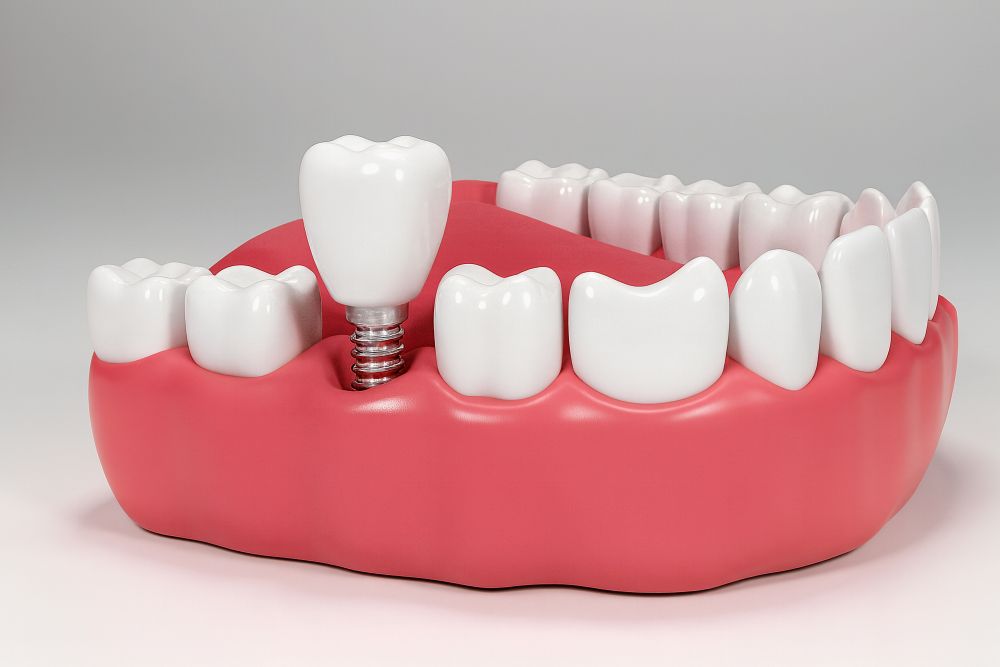
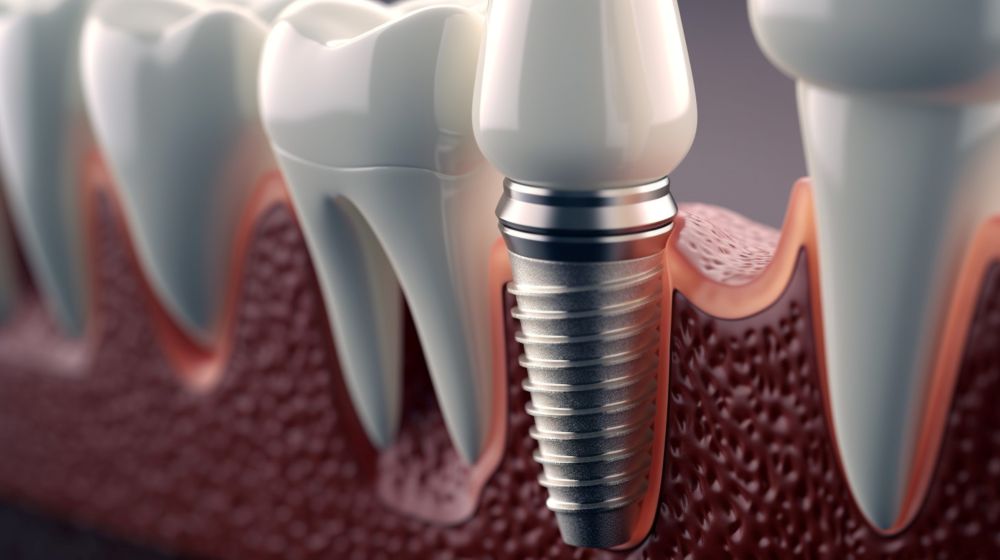
A dental implant is placed into the jawbone, usually under local anaesthetic. Because the procedure involves gum and bone tissue, some bleeding is expected. Blood thinners may make that bleeding heavier or slower to settle.
The bigger risk, though, can come from stopping the medicine without proper advice. For some patients, missing doses may raise the chance of a clot, stroke or heart problem. This is why dentists usually work around your medication rather than asking you to stop it casually.
If you’re planning dental implants in Melbourne, mention your medication before your consultation, not on the day of surgery.
Which Medicines Should You Mention?
Tell your dentist about every medicine you take, including prescription drugs, over-the-counter tablets, supplements and occasional pain relief. Some patients don’t think of aspirin as a blood thinner, but it can affect bleeding.
Common medicines to list include:
| Medicine type | Examples |
| Anticoagulants | warfarin, apixaban, rivaroxaban, dabigatran |
| Antiplatelet medicines | aspirin, clopidogrel, ticagrelor |
| Injected blood thinners | heparin, enoxaparin |
| Supplements that may affect bleeding | fish oil, garlic tablets, ginkgo, high-dose vitamin E |
Bring the medicine boxes or a current medication list if you’re unsure about names or doses.
What Your Dentist Needs to Know
Your dentist needs more than the name of the tablet. They need to understand why you take it and how stable your health is.
Before implant surgery, tell your dentist:
- why you take the blood thinner
- your dose and when you usually take it
- whether you have had a stroke, clot, heart valve replacement, stent or atrial fibrillation
- your most recent INR result if you take warfarin
- whether you have kidney or liver disease
- if you bruise easily or have had heavy bleeding after dental work
- the name of your GP, or cardiologist
This information helps your dental team choose the right appointment time, surgical approach and aftercare plan.
Should You Stop Blood Thinners Before Dental Implants?
Don’t stop blood thinners on your own. That advice matters even if a friend or relative was told something different before their dental work.
For many routine dental procedures, medication does not need to be changed. Implant surgery may still be possible while you continue your medicine, especially when the case is simple and bleeding can be controlled with local measures. More complex treatment, such as multiple implants, bone grafting or full arch work, may need closer coordination with your doctor.
Warfarin patients may need a recent INR test. People taking newer anticoagulants, often called DOACs, may need timing adjustments based on kidney function, dose schedule and bleeding risk. Your dentist may speak with your GP before making a plan.
Patients comparing dental implants cost Melbourne should also ask what medical planning and follow-up care are included, because these details matter when medication is involved.
How Dentists Reduce Bleeding Risk
Good planning can make a big difference. Your dentist may book surgery early in the day and earlier in the week, so help is available if bleeding continues. They may also keep the procedure shorter, treat one area at a time, use stitches, place a haemostatic dressing, or prescribe a tranexamic acid mouthwash when suitable.
After surgery, you’ll usually be asked to bite firmly on gauze, avoid rinsing too hard, skip smoking, limit alcohol and avoid heavy exercise for a short period. These small steps help the clot stay in place.
Call the clinic if bleeding keeps soaking gauze, restarts after settling, or comes with dizziness, weakness or swelling that worries you.
Melbourne Patients: Local Planning Helps
For patients searching for a Melbourne dental implant clinic, convenience matters more than it first appears. If you take blood thinners, easy access to follow-up care can be reassuring. A central clinic also makes it simpler to attend review appointments after surgery.
Melbourne dental implants are usually planned with scans, medical checks and a tailored treatment plan. If your health history is complex, don’t rush the process. A careful first appointment can prevent a stressful recovery later.
You can also check dental implant locations before booking so your treatment and follow-up visits are practical.
Questions Worth Asking Before Surgery
Good questions help you understand the plan. Ask your dentist:
- Will you contact my GP?
- Do I need an INR test or blood test before treatment?
- Should I take my medicine at the usual time on surgery day?
- What should I do if bleeding continues at home?
- Will my treatment be staged across more than one visit?
If you’re still comparing options, the dental implant questions page can help you prepare for your consultation.
The Takeaway
Blood thinners don’t automatically rule out implant treatment. They do mean your dentist needs the full picture before surgery. Share your medication list, medical history, test results and doctor details early. With the right planning, many patients can have dental implants while keeping both bleeding risk and clotting risk properly managed.
For broader fee guidance, patients can also read about dental implants cost Sydney and compare what’s included in implant planning, surgery and aftercare.
Disclaimer: This article is for general information only and does not replace advice from a qualified dentist, or doctor. If you take blood thinners or have a medical condition, speak with your healthcare provider before dental implant surgery.