

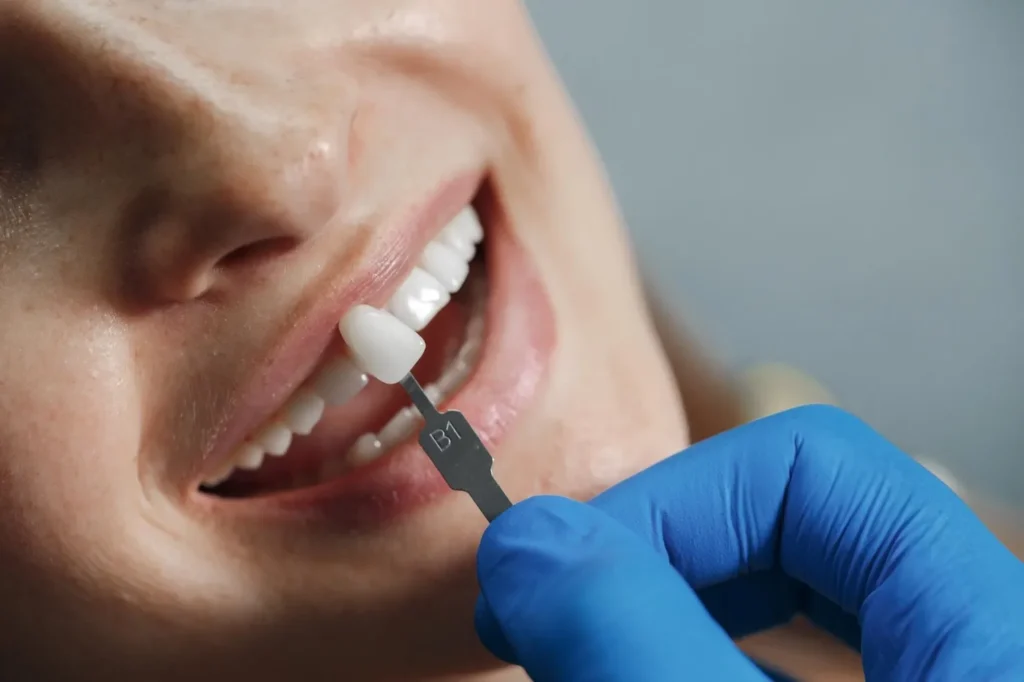
A dental crown is a custom-made “cap” that fits over a tooth to bring back strength, shape and a natural look. Dentists often recommend crowns when a tooth has cracked, has a large filling that no longer has enough support, or needs protection after other treatment. The goal is simple: keep the tooth working comfortably when chewing and smiling, rather than letting it weaken over time.
What is a crown and what does it do?
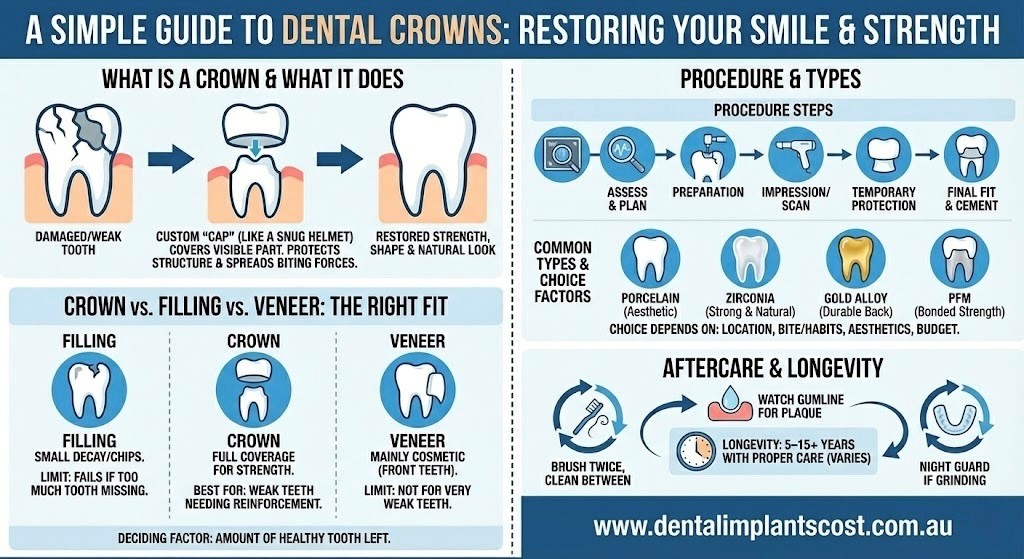
A crown covers the visible part of a tooth, sitting above the gumline like a snug helmet. It protects the remaining tooth structure and helps spread biting forces more evenly. That matters if the tooth has been heavily repaired or worn down, because smaller repairs can fail when there isn’t enough tooth left to hold them.
Healthdirect notes crowns can improve how a damaged tooth looks, make it stronger, and restore function.
Simply put, a crown helps you use the tooth without constantly worrying about it chipping again. It can also tidy up the appearance of a tooth that’s discoloured or misshapen, provided the underlying tooth is healthy enough to keep.
When do you need a crown? Common signs
People usually ask about crowns when something feels “not quite right” with a tooth. Common triggers include:
- A tooth that has cracked or fractured (sometimes you feel it when biting)
- A very large filling that keeps breaking down
- A tooth that has become weak after extensive decay treatment
- Ongoing sensitivity or pain that needs assessment
- A tooth that looks noticeably worn or shortened
These signs don’t automatically mean you need a crown. A dentist still needs to examine the tooth and often take X-rays to see how much healthy structure remains and whether the nerve is involved.
Crown vs filling vs veneer: which one is right?
The “best” option depends on what you’re trying to fix.
| Option | Best for | Limits |
| Filling | Smaller areas of decay or minor chips | Can fail if too much tooth is missing |
| Crown | Teeth that need full coverage for strength | More tooth is reshaped than with a filling |
| Veneer | Mainly cosmetic changes on front teeth | Not designed to reinforce a very weak tooth |
If you’ve been comparing Crown vs filling, the deciding factor is often how much tooth is left. Crowns, bridges and veneers can all address damaged teeth and appearance, but they’re chosen for different situations and may be provided by general dentists or prosthodontists.

Types of crowns and how dentists choose
Crowns come in different materials, and each has trade-offs. Common options such as porcelain, zirconia, gold alloy and porcelain are bonded to metal.
In practice, choice often comes down to:
- Where the tooth sits. Back teeth usually take heavier chewing loads.
- Your bite and habits. If you clench or grind, strength matters more.
- Aesthetics. Front teeth need shade-matching and translucency.
- Budget and availability. Materials and lab work affect fees.
Zirconia is popular because it’s strong and can look quite natural when well made. If your dentist mentions a Zirconia crown, ask where it’s being used (front vs back), what finish it will have, and whether a night guard is recommended if you grind.
Dental crown procedure: step-by-step
Most crowns are done over more than one visit. The usual pattern looks like this:
- Assessment and planning: Your dentist checks the tooth, bite, and may take X-rays.
- Tooth preparation: The tooth is reshaped so the crown can fit properly.
- Impression or digital scan: This guides the lab (or in-chair system) in making the crown.
- Temporary protection: A temporary crown may be placed while the final crown is made. It protects the tooth and keeps the space.
- Final fit and cementing: The dentist checks the fit, bite, and appearance before securing it.
Crowns can occasionally feel a little sensitive at first. If a crown sits “high” and your bite hits it first, call your clinic, since a small adjustment can prevent ongoing discomfort. Some possible complications include crowns falling off, breaking, or pain if the fit isn’t right.
Cost in Australia: what affects the fee?
People understandably want a number, but it’s rarely one-size-fits-all. Your dental crown cost will usually depend on
- The material
- How much tooth needs rebuilding first
- Whether you need other treatment (like a core build-up), and
- The complexity of your bite
If you have private health cover, check your limits and waiting periods before booking, and ask the clinic for a written estimate so there are no surprises.
Aftercare and how long crowns last
Crowns don’t need special gadgets, but they do need consistent care.
Brush twice daily, clean between teeth, and keep an eye on the gumline around the crown where plaque can gather.
Many crowns last years, but longevity varies with habits and oral hygiene. Crowns commonly last in the range of five to 15 years with proper care.
If you grind your teeth, a night guard can be a sensible investment. It’s often cheaper than replacing chipped dental work.
Common problems and what to do next
If a crown feels loose, painful, or you notice swelling, contact your dentist promptly.
A crown that comes off can sometimes be re-cemented if the tooth and crown are intact, but leaving it too long risks decay or fracture.
If you’re in pain, don’t “tough it out” for weeks. Getting it checked early is usually simpler.
Getting a crown in Australia: choosing a clinic
Look for clear communication and a dentist who explains options in plain language. It’s reasonable to ask:
- Which material they recommend for your tooth and why
- How many visits are expected
- What you should do if the temporary comes off
- Whether you may need a night guard
A good consult should leave you feeling informed, not rushed.
Also Read: How Long Do Dental Implants Last? Understanding Longevity and Durability
Frequently Asked Questions:
1) What is a dental crown used for?
A crown covers a tooth that has lost strength or structure. It can protect a cracked tooth, reinforce a tooth with a very large filling, or restore shape and bite function. It’s also used to improve appearance when a tooth is heavily discoloured or worn and other options won’t hold up well.
2) Does getting a crown hurt?
Most people cope well because the tooth is numbed during preparation. After the appointment, you might notice mild tenderness or temperature sensitivity for a short time. Pain that ramps up, lasts more than a few days, or makes it hard to bite evenly is worth a follow-up because the bite may need adjusting.
3) How long does it take to get a crown?
Many crowns take two visits: one to prepare the tooth and record an impression or scan, then another to fit the final crown. Some clinics can make certain crowns in one appointment with in-chair systems, but suitability depends on the tooth, bite, and materials being used.
4) What can I eat with a temporary crown?
Choose softer foods and chew on the other side where possible, especially for the first day. Sticky lollies, chewing gum, and very hard foods can pull or crack a temporary. If it comes off, keep the crown if you can and contact your clinic, as the tooth can shift or become sensitive without it.
5) How long do dental crowns last?
Longevity varies with material, bite forces, grinding, and oral hygiene. Many crowns last for years when they’re well made and well cared for, but they can fail earlier if there’s decay at the edges or heavy clenching. Regular check-ups help spot small issues before they turn into bigger repairs.