

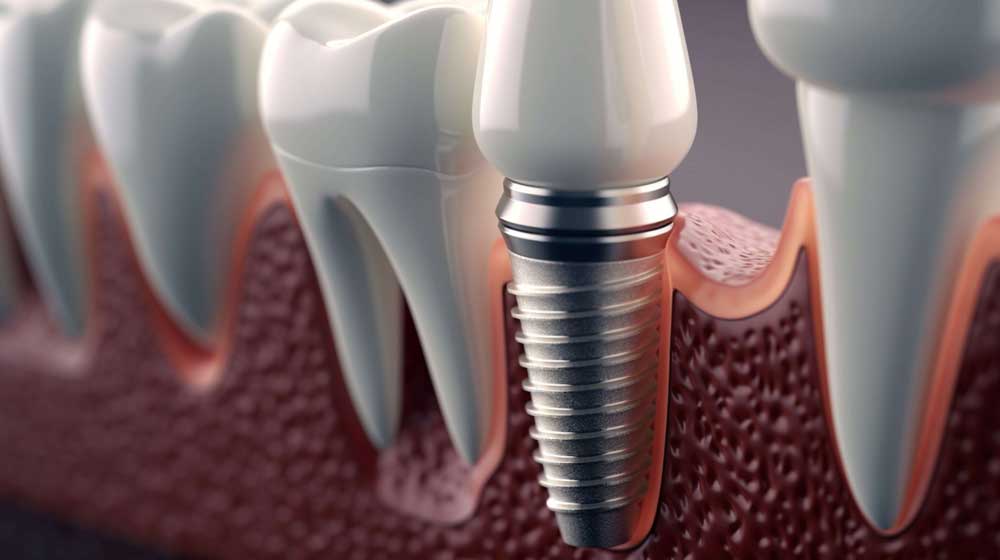
Dental implants appeal to a lot of people for one simple reason: they replace a missing tooth in a way that feels fixed and stable. The implant sits in the jawbone and supports a crown, bridge, or denture, so it can do more than fill a visible gap. Still, implants are not the automatic answer for every missing tooth. Suitability depends on the condition of your gums, the amount of bone in your jaw, your general health, and how willing you are to look after the implant once treatment is done.
Start with the big question: is your mouth ready?
A good implant case starts with a healthy foundation. Dentists check whether you have enough bone to hold the implant, whether your gums are healthy, and whether any medical conditions or medicines could affect healing. This is why implant treatment begins with assessment and planning, not with surgery on day one.
Healthy gums matter more than many people realise
If your gums are inflamed, bleeding easily, or affected by untreated periodontitis, implants may need to wait. Experts are clear on this point: severe gum disease can make you a poor candidate for a dental implant. That makes sense clinically. An implant needs healthy surrounding tissue if it is going to remain stable over time. If active gum disease is already damaging bone and soft tissue, placing an implant into that environment is not good planning. In many cases, the real first step is gum treatment, better plaque control, and a review once the mouth is healthier.
Bone levels can support the plan, or change it
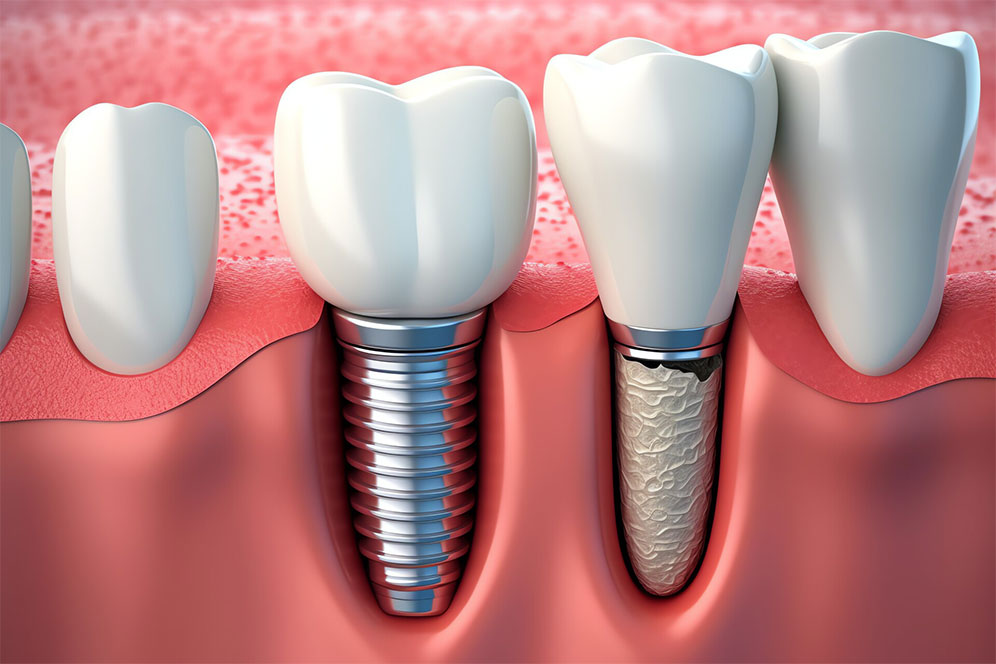
Bone support is one of the main factors in implant eligibility. A dentist will usually take dental x-rays, and Teeth.org.au says this commonly includes a 3D x-ray. X-rays are used to get a clear picture of the jaw and plan placement. If there is not enough bone, that does not always end the discussion. Bone grafting may be an option, although it can add more treatment, more healing time, and more cost. In other words, the question is not always “Can I have implants?” Sometimes it is “What would need to happen first?”
Your medical history can shift the answer
Implant suitability is not based on the mouth alone. Your dentist will check medical conditions and medicines before treatment, and it specifically lists issues such as osteoporosis, cancer, bleeding disorders, diabetes, gum disease, and smoking as factors that may affect risk or healing. A strong candidate has healthy tissues in the mouth, enough bone or access to bone grafting, and no health conditions that are likely to interfere with bone healing. That does not mean people with medical conditions are always ruled out. It means the treatment plan has to be built around real health information, not guesswork.
Smoking can be a major obstacle
If you smoke, this needs an honest discussion before implant treatment goes any further. Smokers may not be good candidates for dental implants. Smoking can raise the risk of the implant not joining properly with the jawbone thus increasing the dental implant cost, and it is linked to a higher failure rate overall. Some clinics expect patients to stop smoking before treatment begins. For some people, that becomes the deciding factor. The implant may still be possible, but the long-term outlook is usually better when smoking is addressed first.
Age is part of the picture, but not in the way many assume
People sometimes think they are “too old” for dental implants. Current guidance does not support that idea. Age on its own does not usually rule someone out. Bone levels, gum health, medical stability, and day-to-day maintenance matter more. Younger patients face a different issue. The jawbone should have finished growing before implants are placed. So age matters at both ends, but not as a simple yes-or-no rule. A healthy older adult may still be a suitable candidate. A younger person whose jaw is still developing may need to wait.
Teeth grinding and oral hygiene also affect the decision
Dental Implants handle chewing forces well, but they are not invincible. Teeth grinding can put too much pressure on them and reduce the chances of long-term success. Long-term cleaning matters just as much. Implants need daily care, including brushing twice a day, cleaning between the implant and nearby teeth, and keeping up with regular dental check-ups. Gum disease around an implant can become serious, and peri-implantitis can loosen the implant or lead to failure if it is not treated. A person who wants implants but is unlikely to keep up with cleaning and review appointments may be better suited to another option, at least for now.
Be realistic about treatment time
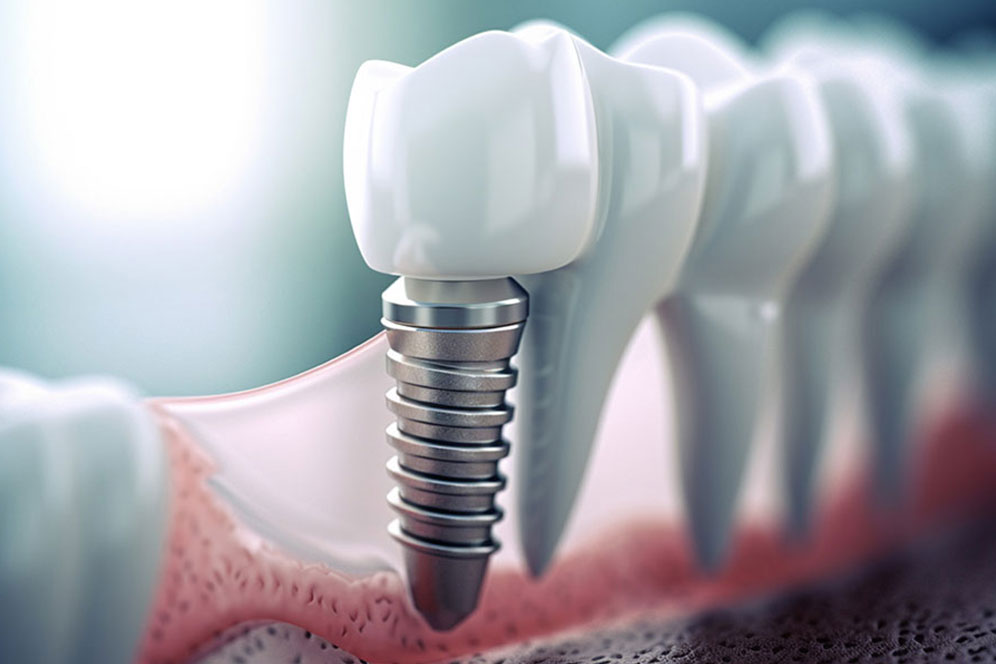
Implants are not usually a quick fix. Treatment is often done in stages over a few months, and the bone commonly takes around three months to grow around the implant. That matters because some people are clinically suitable, but not practically ready. If you need an extraction, bone grafting, healing time, and several appointments, patience becomes part of the process. A person considering implants needs to be ready for that timeline, not just the end result.
So, are dental implants right for you?
Dental implants may be a good fit if you have one or more missing teeth, healthy gums, enough jawbone or the option of grafting, and a medical history that does not place healing at undue risk. They also suit people who want a fixed replacement and are prepared to maintain it properly over the long term. They may be less suitable right now if you have untreated gum disease, active smoking, poor oral hygiene, uncontrolled health issues, or a jaw that has not fully matured. A proper implant assessment looks at all of that together. The best answer is rarely based on the missing tooth alone. It comes from the condition of the whole mouth and whether the plan is realistic for your health, habits, and budget.